
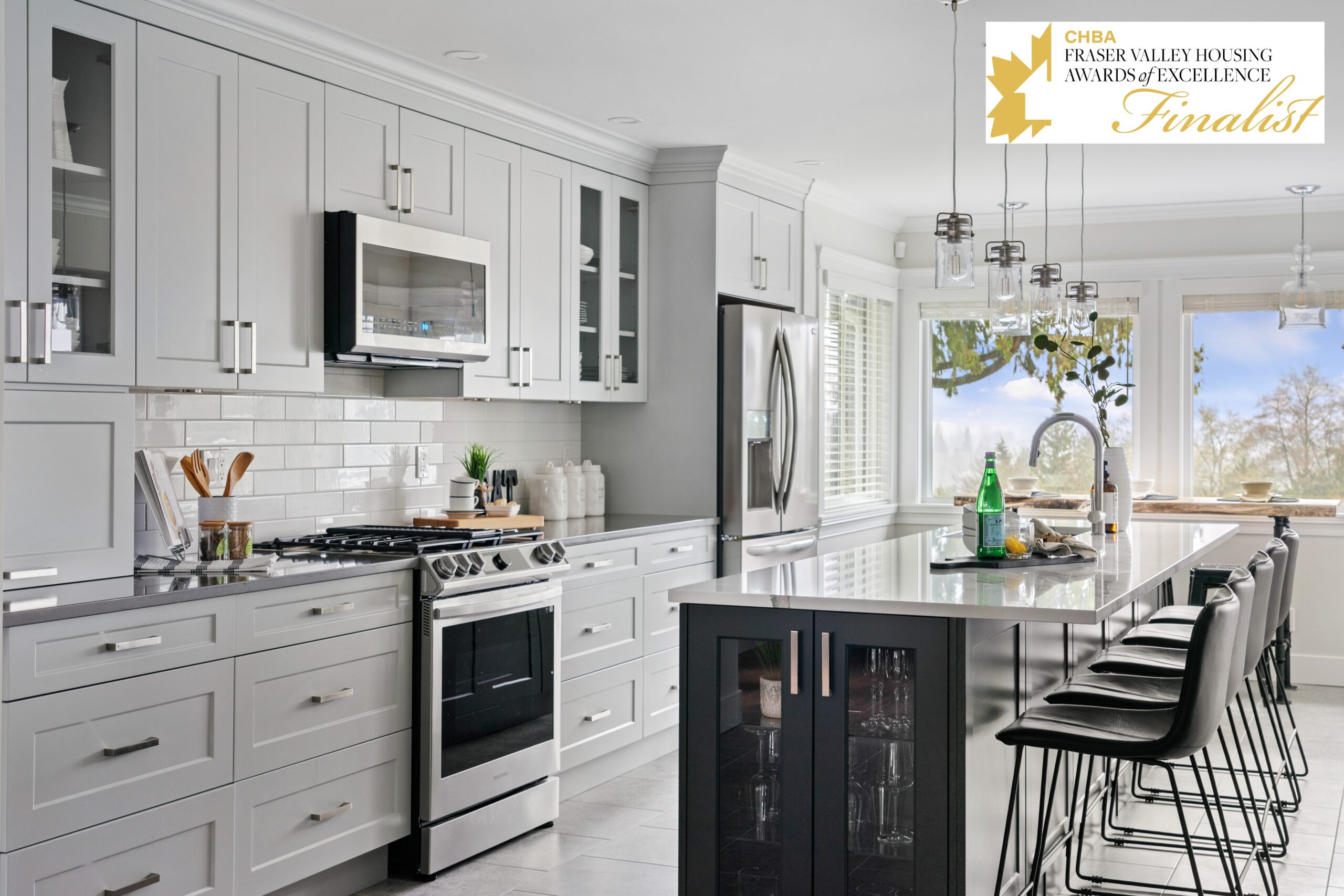
When it comes to kitchen renovations, the choice of cabinet materials is a crucial decision that can significantly impact the overall look, durability, and functionality of your space. And that’s why we will delve into the basics of kitchen cabinet materials, exploring the various options available and their key considerations.
Cabinet Material Choices
Cabinet materials play a vital role in determining the aesthetic, performance, and longevity of your kitchen cabinetry. From classic wood to modern engineered options, each material offers unique properties that cater to different design preferences and budgetary requirements.
Cabinet boxes, doors and surface finishes are different parts of the finished cabinet. A box may use plywood, particleboard or medium-density fiberboard (MDF), while doors may use solid wood or an engineered substrate. Wood veneers are thin wood surfaces applied over a substrate. Laminate is also a surface finish, rather than a complete cabinet construction. One cabinet can combine several of these materials.
Factors such as cabinet construction, maintenance requirements, and environmental impact should also be considered when selecting the right cabinet materials for your kitchen. By exploring the available options and their respective benefits, you can create a kitchen that not only looks stunning but also meets your practical needs
Classic Wood Cabinets: Timeless Appeal
Classic wood cabinets have a special place in kitchens. They talk of old stories and show a simple beauty that doesn’t care for changing styles. Their appearance can remain appealing as other kitchen styles change.
Wood cabinetry may combine solid wood components, such as oak, maple or cherry doors, with engineered cabinet boxes. Solid wood offers natural grain and may be suitable for refinishing, depending on the component and its finish. The wood species alone does not determine the strength or lifespan of the finished cabinet.
Engineered cabinet construction may use plywood, particleboard or MDF with a veneer, laminate or painted finish. It is not inherently less durable or less customizable than solid wood construction. Performance depends on construction, material quality, finish, hardware, moisture exposure and intended use. Compare the specifications of the complete cabinet rather than relying on the material label alone.
When selecting wood for kitchen cabinets, it’s important to consider the properties of different wood types. Hardwoods, like oak and maple, are known for their strength and resistance to wear and tear, making them an excellent choice for high-traffic kitchen environments. Softwoods, such as pine, can also be used, but may require more maintenance and care to prevent damage over time.
Ultimately, the choice between solid wood and engineered wood cabinets will depend on your budget, design preferences, and the specific needs of your kitchen. By understanding the benefits and considerations of each option, you can make an informed decision that will serve your kitchen well for years to come.
Modern Laminate Solutions: A Durable and Cost-Effective Option
Modern laminate cabinets
offer a wide range of colors, textures, and styles. This variety makes it simple to find the right fit for your kitchen’s look. Whether you want solid colors or wood-like patterns, laminates provide both modern and traditional appearances affordably.
Pros and Cons of Using Laminate for Cabinets
Laminate cabinets are known for their durability and resistance to scratches, stains, and moisture. They are also relatively easy to clean and maintain, making them a practical choice for busy kitchens. Additionally, laminate cabinets come in a wide range of colors and patterns, allowing homeowners to customize the look of their kitchen to their personal style.
However, some drawbacks of laminate cabinets include a perceived lack of high-end aesthetic appeal and the potential for the laminate surface to peel or degrade over time with heavy use.
Different Types of Laminate Cabinet Materials
There are several types of materials to consider when it comes to laminate cabinets. High-pressure laminate (HPL) is a popular choice, as it is known for its exceptional durability and resistance to wear and tear. Other options include low-pressure laminate (LPL) and thermally fused laminate (TFL), each with its own unique characteristics and price points.
High-Pressure Laminate Cabinets: Features and Benefits
High-pressure laminate (HPL) cabinets are a top choice for many homeowners due to their exceptional performance and aesthetic appeal. HPL is a durable, multi-layered material that is bonded under high heat and pressure, resulting in a surface that is resistant to scratches, stains, and moisture. Additionally, HPL cabinets offer a wide range of design options, from classic wood grains to bold, contemporary patterns, making them a versatile choice for any kitchen.
Stainless Steel: A Modern and Sleek Choice
Stainless steel has become a popular choice for kitchen cabinets in recent years, offering a sleek and contemporary look that complements a wide range of design styles. From the industrial chic of a loft kitchen to the minimalist aesthetic of a modern space, stainless steel cabinets can elevate the overall aesthetic.
Stainless steel can be durable, but its resistance to corrosion and scratching depends on the grade, finish, use and maintenance. Scratches, fingerprints and surface marks can still occur. Follow the selected product’s cleaning instructions rather than assuming every steel surface will remain unmarked or need only a quick wipe.
Stainless steel cabinets are particularly well-suited for industrial and modern kitchen designs, where the clean lines and metallic finish can create a striking visual impact. The material’s inherent strength and resistance to wear and tear also make it a practical choice for these types of spaces, which often experience heavy use.
When considering stainless steel cabinets, it’s important to weigh the benefits against any potential drawbacks. While the material is highly durable, it can also be susceptible to fingerprints and smudges, which may require more frequent cleaning. Additionally, the cost of stainless steel cabinets may be higher than some other materials, so it’s essential to factor this into your overall kitchen renovation budget.
So when picking the right material for kitchen cabinets, think long-term. These pieces stay in your space for years and face daily use. This means they get hit by spills, heat, and moisture often.
Eco-Friendly Options: Choosing Sustainable Materials
The materials used for cabinets play a significant role in the overall environmental impact. Choosing eco-friendly cabinet materials is an important consideration for homeowners who want to reduce their carbon footprint and support sustainable practices.
Environmental impact cannot be determined from a material name alone. Bamboo, reclaimed wood and certified wood products can differ in sourcing, manufacturing, finishes, transport and service life. A renewable or reused material does not automatically give the finished cabinet a lower overall impact.
Bamboo grows quickly, and reclaimed wood reuses existing timber, but processing and product construction still matter. FSC certification can support responsible forest management and verified sourcing claims. It does not by itself prove that a complete cabinet uses less manufacturing energy or has a lower overall environmental impact.
Ask for product-specific information about sourcing, construction and finishes when environmental impact is part of your decision. Consider expected service life and repairability alongside appearance and suitability for your kitchen.
Choosing the Right Cabinet Material for Your Kitchen
In the search for kitchen cabinet materials, knowing where to start matters. There are several key considerations to go over. One of the primary factors to evaluate is the durability and longevity of the cabinet material. Hardwood options like maple, oak, and cherry offer exceptional strength and resistance to wear and tear. Alternatively, engineered wood composites can provide a cost-effective and durable solution.
In addition to durability, the aesthetic appeal of the cabinet material is an important consideration. Wood grains, colors, and finishes can dramatically impact the overall style and look of your kitchen. Explore a range of options, from classic wood tones to modern, high-gloss finishes, to find the perfect match for your design vision.
For homeowners considering environmental impact, compare documented product information rather than assuming bamboo, reclaimed wood or recycled content is always preferable. The complete cabinet and its expected use matter.
By carefully weighing the key factors, such as durability, aesthetics, and sustainability, you can make an informed decision and select the cabinet material that best suits your kitchen renovation needs.
References:
Kitchen cabinet components and materials: background on cabinet boxes, front panels and surface finishes.
Forest Stewardship Council: information about forest certification and responsible sourcing.