
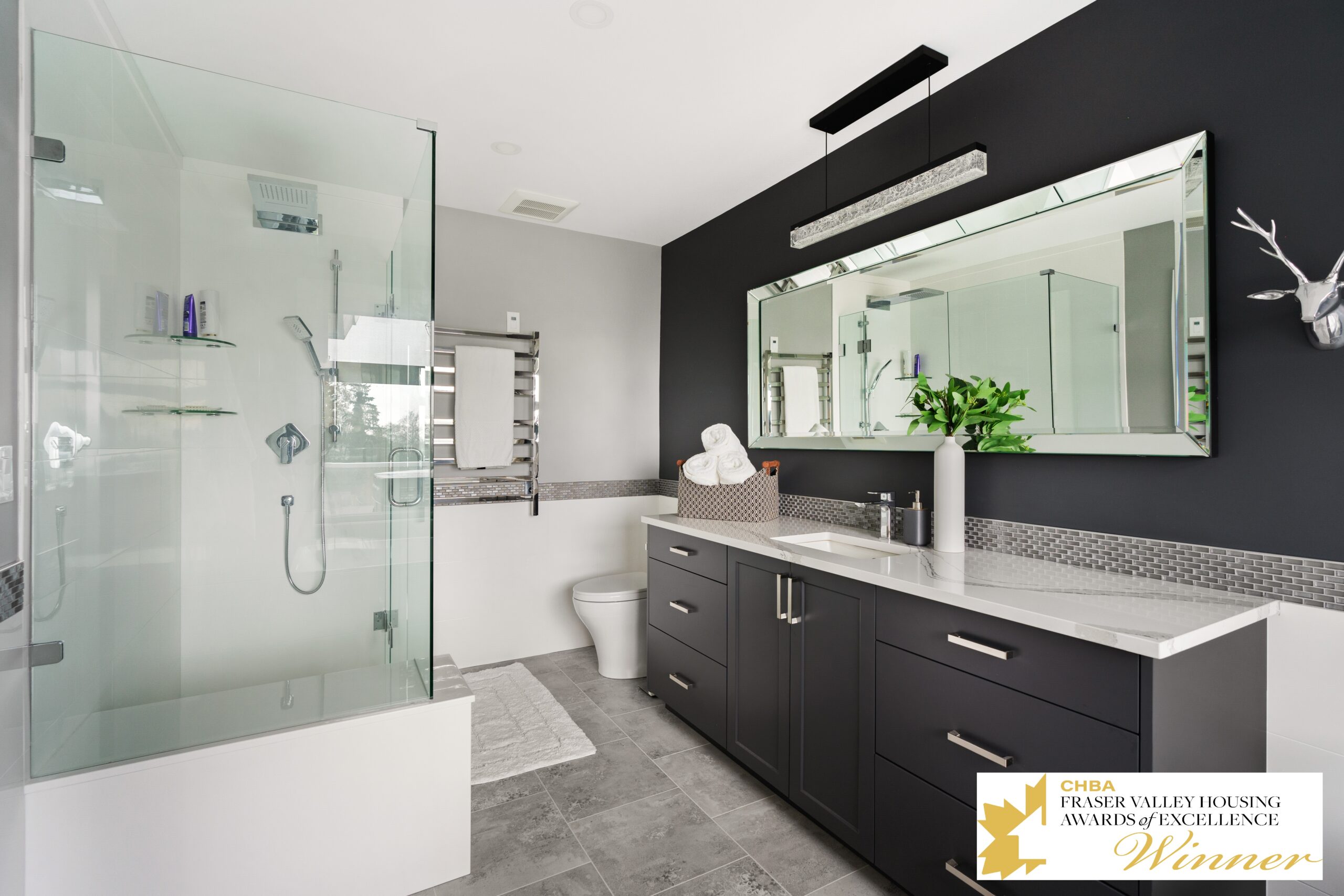
When it comes to bathroom renovations, few decisions are as transformative as choosing between a wet room and a traditional bathroom. The decision isn’t just about style; it’s a combination of function, space, and everyday use. With growing demand for both sleek, minimalist designs and practical, versatile layouts, understanding the pros and cons of each can make all the difference.
At Profile Renovation, based in Langley, we believe that every bathroom should be a personal sanctuary. Whether you’re drawn to the luxurious appeal of a wet room or the timeless comfort of a traditional bathroom, we’ll guide you through the process, ensuring that your choice complements your home’s aesthetics, your lifestyle, and your budget.
The Ultimate Bathroom Showdown: Wet Room vs. Traditional Bathroom
In the battle of bathroom designs, the wet room and traditional bathroom are two contenders that promise entirely different experiences. While both can elevate the ambiance of your home, the features, functionality, and maintenance of each vary significantly.
A wet room is an open-plan, fully waterproofed space that integrates the shower area with the rest of the room. It’s ideal for those who appreciate sleek, minimalist designs that blend luxury and function seamlessly. On the other hand, a traditional bathroom features a separate shower enclosure or bathtub, offering distinct areas for dry and wet zones. This layout often appeals to those who value privacy, versatility, and more traditional styling.
Which one is right for you? Let’s break down the core differences and help you decide.
Space Planning: Is a Wet Room Suitable for Your Bathroom?
An open wet-room layout can make some compact bathrooms feel less enclosed. Whether it works depends on the room dimensions, splash control, drainage and space for fixtures. A small room is not automatically a good candidate.
Removing a shower enclosure can change how the available space is used. Consider which surfaces may get wet and whether the toilet, vanity and storage can remain practical during showering.
Enclosed showers can also work in compact rooms. Compare both layouts using the actual dimensions and the way the household uses the bathroom.
The Budget Breakdown: Wet Room vs. Traditional Bathroom Costs
When considering a renovation, compare the scope of each design before comparing estimates.
Wet-room costs depend on the existing floor, waterproofing system, drainage, layout and material selections. The work should be assessed for the individual bathroom.
An enclosed-shower or tub layout also needs appropriate wet-area construction. Its cost depends on the proposed changes and existing conditions, rather than one standard price range.
Choose the layout for its practical use and fit with your home, without assuming a particular resale return.
Design Flexibility: Tailoring Your Bathroom to Your Lifestyle
Your bathroom should reflect your unique style, and the choice between a wet room and a traditional bathroom plays a key role in this. When it comes to design flexibility, wet rooms offer an unparalleled level of customization. The absence of walls and enclosures creates an open canvas for designers to experiment with materials, colours, and layouts.
Wet rooms can be transformed into luxurious, spa-like retreats, incorporating high-end finishes like marble tiles, glass partitions, and minimalist fixtures. For those who appreciate clean lines and contemporary aesthetics, a wet room allows for a highly personalized and sophisticated design.
Traditional bathrooms, however, offer versatility in their own right. While they may feature more defined areas, they can accommodate a wide range of features, from freestanding bathtubs to dual showerheads. A tub and shower can be included in either approach where space, drainage and the design allow. You can also experiment with different materials and colour schemes to make your bathroom uniquely yours, whether you’re leaning toward a modern or classic design.
Ultimately, your bathroom design should mirror your personal preferences while also complementing the overall theme of your home. Whether you opt for a sleek, streamlined wet room or a more classical approach, Profile Renovation will help bring your vision to life.
The Key Benefits of a Wet Room: Luxury, Accessibility, and Style
The allure of a wet room goes beyond its aesthetic appeal. This design offers a variety of benefits that enhance both functionality and luxury.
A step-free shower entry may help some users, but accessibility depends on the individual, clearances, surface choice, supports and overall layout. An open shower is not automatically suitable for every ability.
A wet room is also a luxurious addition to any home. The seamless design, coupled with high-quality materials, gives the space a sleek, spa-like feel. Imagine stepping into a fully waterproofed, open shower with natural stone tiles and ambient lighting. It’s the ultimate in relaxation and style.
Consider how the room will work for the people using it, including access to storage and whether wet areas affect daily routines.
Traditional Bathrooms: Timeless Comfort and Versatility
While wet rooms are known for their contemporary style, traditional bathrooms have stood the test of time due to their unmatched comfort and versatility. These bathrooms offer a cozy, functional environment with the flexibility to cater to a variety of needs.
Whether you’re looking for a soothing bathtub to unwind after a long day or a separate shower for quick convenience, traditional bathrooms provide the ideal layout for both. The ability to incorporate both a tub and a shower into the same space allows for customization that accommodates your personal preferences.
Moreover, traditional bathrooms are perfect for homeowners who value privacy and defined zones within the bathroom. The separation of wet and dry areas creates a distinct space for showering, bathing, and grooming, which many people prefer for reasons of both comfort and hygiene.
Maintenance Matters: How to Keep Your Wet Room in Top Shape
Maintaining a wet room requires attention to detail, but the benefits far outweigh the effort. With the right maintenance routine, your wet room can remain beautiful and functional for many years to come.
The most critical aspect of wet room maintenance is ensuring proper drainage. Over time, drains can become clogged with debris, which can lead to water pooling in the room. Regularly check and clean the drains to prevent blockages and ensure water flows smoothly.
Tile and grout sealing is not a complete waterproofing system. Wet areas need an appropriate system behind or beneath the finished surfaces. Follow the selected system’s installation requirements and the tile or grout manufacturer’s care instructions.
Lastly, make sure that your ventilation system is working efficiently. Adequate airflow is key to preventing excess humidity and moisture build-up, which could damage walls and floors over time.
Transform Your Bathroom with Profile Renovation
Whether you choose a wet room or a traditional bathroom, Profile Renovation, based in Langley, is here to help you bring your dream bathroom to life. Our team of experienced designers and renovators will work with you every step of the way to create a space that blends style, functionality, and value.
Ready to transform your bathroom? Contact Profile Renovation today and let’s turn your vision into reality.